
Oct . 20, 2025 10:40 Back to list
Air Suspension Series | Adjustable Ride Height & Comfort
Road Test Notes: Why Fleets Keep Upgrading to Air Suspensions
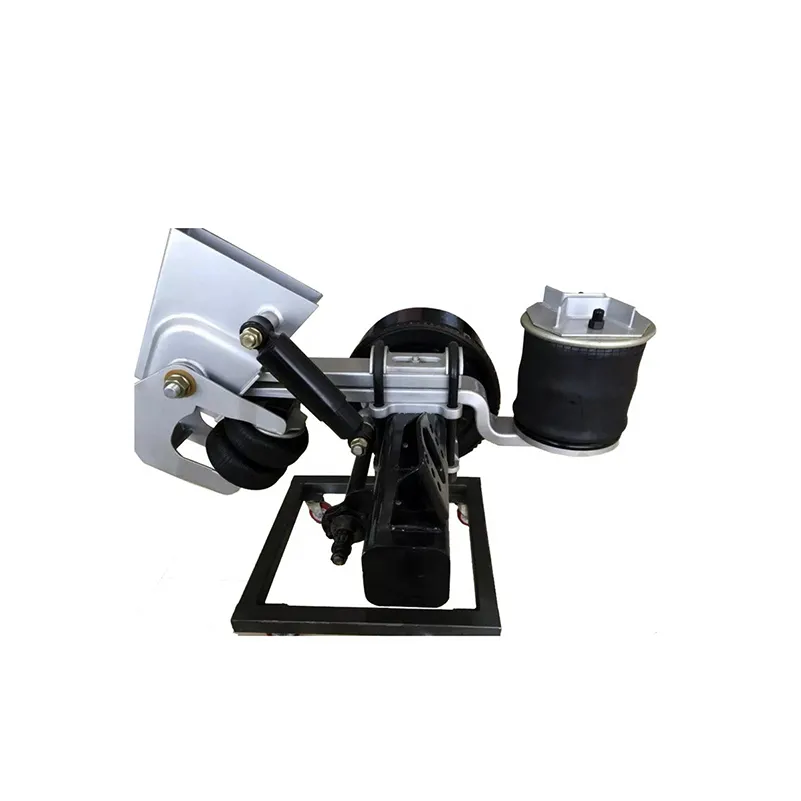
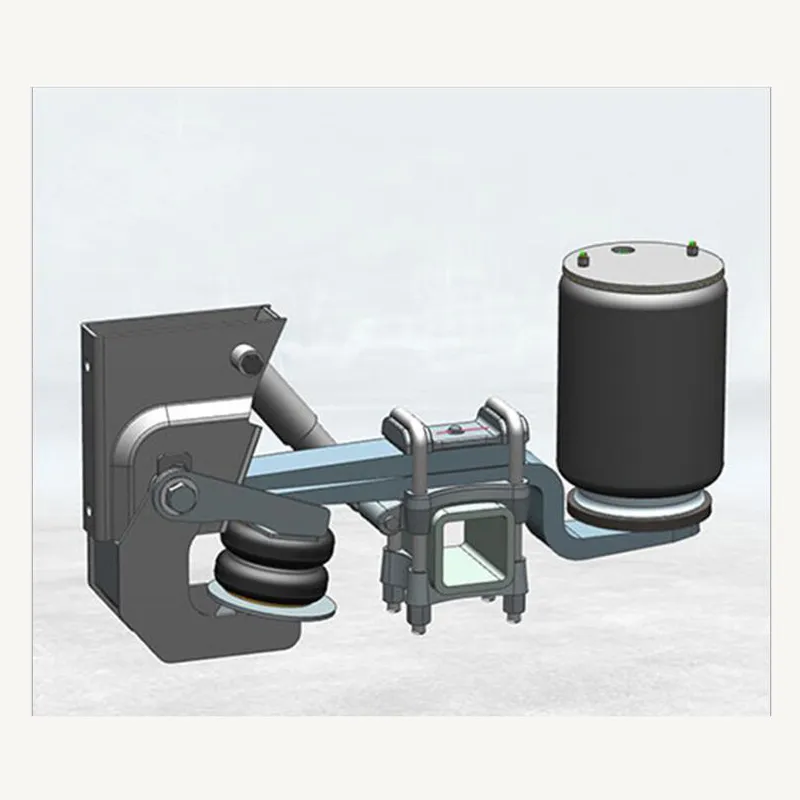
On a chilly morning in Shijiazhuang City, Hebei Province, I walked a factory line that builds the Air Suspension Series for trailers and semi trucks. The first impression? Quiet confidence. Welds looked clean, rubber bellows were uniform, and—surprisingly—the QA team actually tried to break parts. That’s usually a good sign.
What’s Driving the Shift
Industry trend lines are clear: fleets want lower total cost of ownership, better load protection, and fast adjustability at docks. Air suspensions deliver all three. In fact, with tire and fuel costs where they are, many customers say the lower vibration alone pays back faster than they expected. Smart valves and height-control sensors are also creeping in—nothing flashy, just reliable tech that quietly shaves downtime.
Quick Spec Sheet (real-world use may vary)
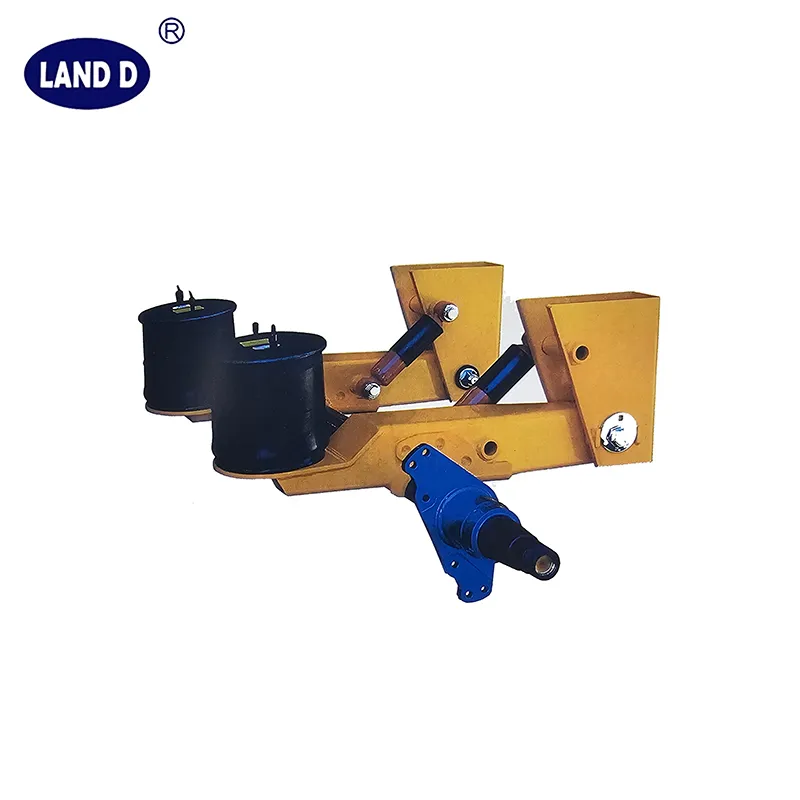
| Parameter | Typical Value | Notes |
|---|---|---|
| Axle load rating | ≈ 9–13 t per axle | Spec’d to application |
| Ride height range | ≈ 250–480 mm adjustable | Dock leveling friendly |
| Working pressure | 6–8 bar | Burst ≥ 24 bar (lab) |
| Temperature | -40 °C to +70 °C | Rubber compound rated |
| Materials | HSLA steel arms, vulcanized air bellows | E-coat + powder topcoat |
| Durability | ≥ 1,000,000 cycles (bench) | ASTM/SAE test regimes |
How It’s Built (short version)
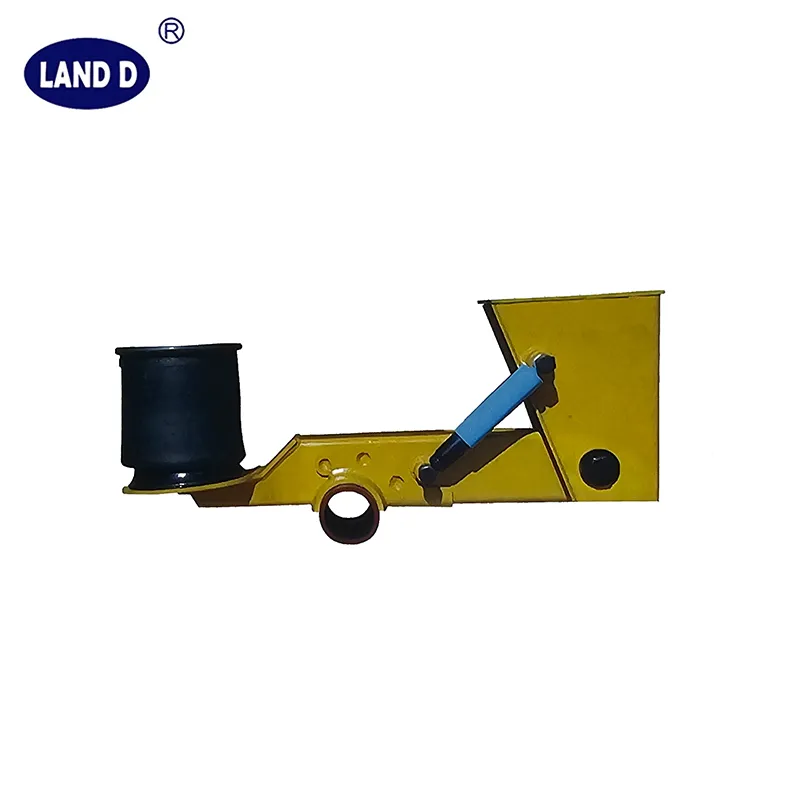
Materials: HSLA beam steel, shot-blasted and robot-welded; elastomer bellows compounded to ASTM D2000; polyurethane or rubber bushings depending on ride preference.
Methods: Robotic MIG welding, E-coating inside/out, powder topcoat, torque traceability on fasteners.
Testing: Pressure cycling to ≥ 1M cycles; salt spray ≈ 720 h (ASTM B117); dimensional checks; X-ray weld sampling; road-simulation per SAE J1455/ISO 16750 principles.
Service life: Many fleets report 5–10 years with scheduled bushing and valve maintenance—honestly depends on road abuse and load balance.
Where It Shines
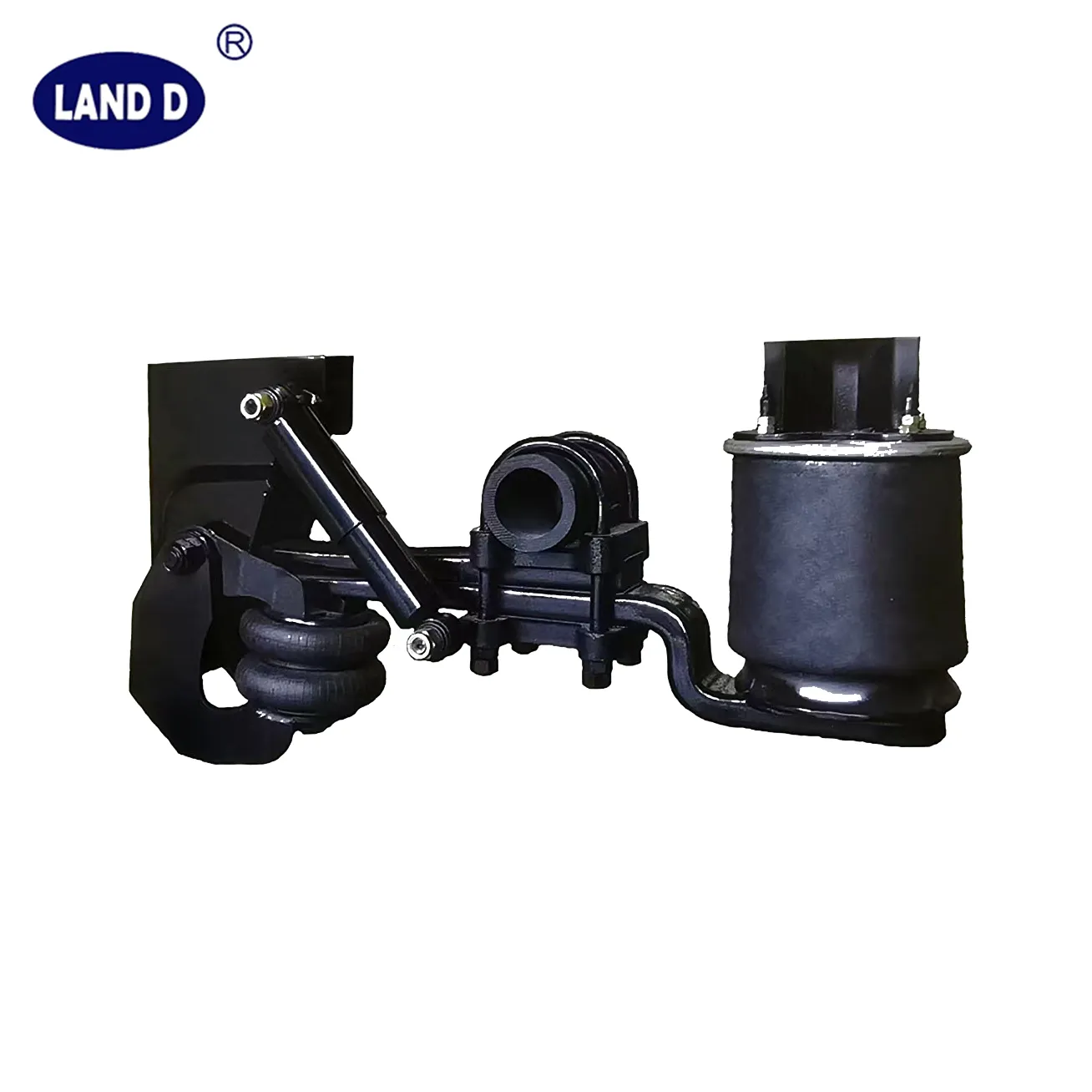
Long-haul dry van, refrigerated, tanker, bulk, and container chassis. Sensitive cargo (glass, electronics, dairy) especially benefits. Operators like the quick kneel/raise at loading bays and the smoother tire wear pattern. One fleet ops lead told me, “less rattling equals less rework,” which sounds obvious until you price out rejected pallets.
Vendor Snapshot
| Vendor | Certifications | Lead Time | Customization | Warranty |
|---|---|---|---|---|
| Land Fifth Wheel (Air Suspension Series) | ISO 9001, IATF 16949 (plant-level) | ≈ 25–35 days | Ride height, hanger spacing, bushing type | 12–24 months (region-dependent) |
| Importer A | ISO 9001 | ≈ 45–60 days | Limited options | 12 months |
| Regional Fabricator B | Varies | ≈ 15–25 days | Highly customizable | 6–12 months |
Customization and Compliance
Options include axle spacing, hanger geometry, lift-axle kits, bushing durometer, disc/drum brake interfaces, and telematics-ready height valves. For braking systems, compatibility with FMVSS 121 / UNECE R13 specs is standard practice, and material compounds can be requested to meet REACH/RoHS where applicable.
Field Notes: Two Quick Cases
A refrigerated fleet running cross-border routes switched to Air Suspension Series units and reported smoother temperature telemetry—less thermal swing from reduced vibration—plus fewer freight claims. To be honest, we expected that, but the dock cycle time improvement (≈ 6–8%) was a pleasant surprise.
At a port drayage operation, tire analytics over six months suggested ≈ 10–12% more even wear after adopting Air Suspension Series on the rear group. Not every lane will see that, but the data trend looked solid.
Bottom Line
If you haul sensitive cargo or chase TCO, air suspensions are no longer “nice-to-have.” They’re the quiet workhorses. And when the factory in Hebei keeps testing until parts fail—on purpose—that’s usually the kind of obsession fleets appreciate.
-
Vanguard Truck Center Austin Tx — Durable Fifth Wheel Solutions for Industrial Fleets
NewsDec.31,2025
-
Valley Volvo Laredo Tx – A Durable Solution for Industry and Logistics
NewsDec.09,2025
-
Vanguard Isuzu Houston Commercial Vehicles: Reliability and Efficiency for B2B Fleets
NewsDec.09,2025
-
Vanguard Trailers Mississauga - Durable Heavy-Duty Industrial Trailers for Businesses
NewsDec.09,2025
-
Venture Fifth Wheelers: Robust Solutions for Industrial Hauling | Land Fifth Wheel
NewsDec.08,2025
-
Vicar Motors of Orlando: Durable, Efficient Power Solutions for Global Industry
NewsDec.08,2025