
Sep . 09, 2025 19:40 Back to list
Air Suspension Series: Ultimate Comfort & Dynamic Handling
Industry Trends and the Evolution of Modern Suspension Systems
The global industrial and transportation sectors are experiencing a transformative shift towards enhanced operational efficiency, safety, and comfort. Central to this evolution is the advancement in suspension technology, particularly the Air Suspension Series. This innovative technology addresses the growing demand for superior vibration isolation, load leveling capabilities, and dynamic ride control across diverse applications, from heavy-duty commercial vehicles to precision industrial machinery.
Current industry trends highlight a move towards smarter, more adaptable systems. Key drivers include the integration of IoT for predictive maintenance, the pursuit of energy efficiency in logistics, and stricter regulatory standards for worker comfort and cargo protection. Air suspension systems are uniquely positioned to meet these demands, offering unparalleled adaptability compared to traditional mechanical spring systems. The market is witnessing a surge in demand for solutions that provide not just static support but active management of dynamic loads, ensuring equipment longevity and optimal performance under varying operational conditions.
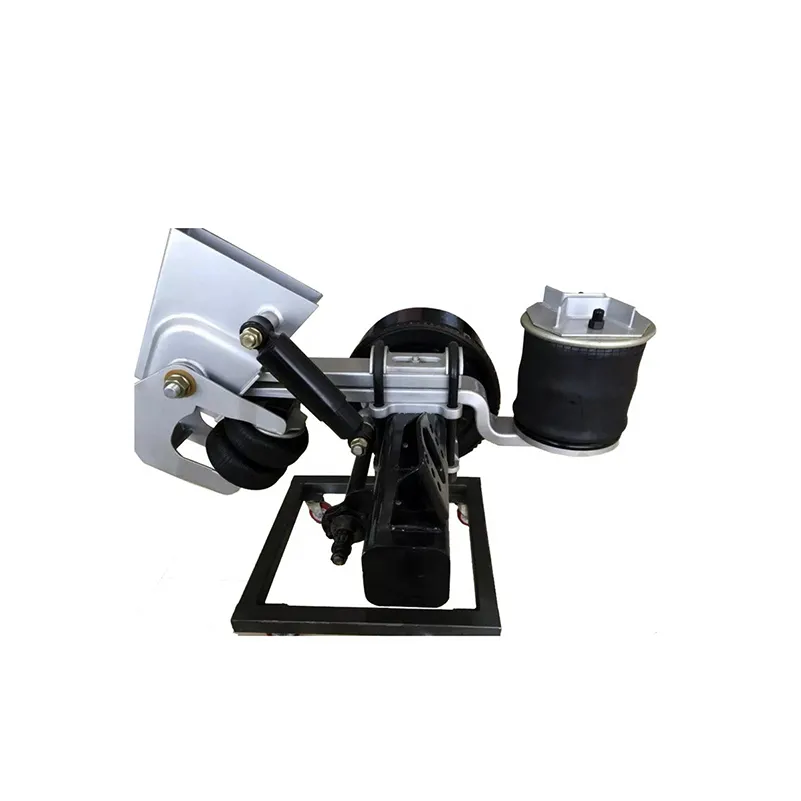
Furthermore, the push for environmental sustainability in manufacturing and logistics is driving innovation in material science and energy consumption of suspension components. Manufacturers are focusing on lighter, more durable materials and designs that minimize energy dissipation while maximizing effective damping. This commitment to continuous improvement ensures that the next generation of air suspension solutions will not only perform better but also contribute to a greener industrial footprint.
Manufacturing Excellence: The Production Journey of the Air Suspension Series
The production of the Air Suspension Series adheres to stringent quality control and precision engineering principles. Our manufacturing process integrates advanced technologies and high-grade materials to ensure superior performance, durability, and a prolonged service life. We focus on critical stages from raw material sourcing to final assembly and rigorous testing.
Process Flow Overview:
1. Material Selection & Procurement
High-strength alloy steels (e.g., 4140, 4340 for structural components), high-performance elastomers (e.g., natural rubber, chloroprene rubber for air springs), and corrosion-resistant coatings. All materials are certified to ASTM or EN standards.
2. Component Fabrication
- Casting/Forging: Primary structural elements (e.g., mounting brackets, piston rods) undergo precision casting or closed-die forging to achieve optimal grain structure and strength.
- CNC Machining: Critical components are machined to micron-level tolerances using multi-axis CNC machines, ensuring exact fit and smooth operation.
- Elastomer Molding: Air springs are manufactured using advanced injection or compression molding techniques for consistent wall thickness and material integrity.
3. Surface Treatment & Assembly
Components receive advanced surface treatments such as phosphating, galvanizing, or powder coating for enhanced corrosion resistance, particularly crucial for petrochemical and metallurgy applications. Robotic assembly ensures consistency and precision.
4. Testing & Quality Assurance
Every unit undergoes comprehensive testing:
- Fatigue Testing: Simulating millions of cycles under varying loads and frequencies to predict service life (rated for 5+ million cycles under typical load).
- Corrosion Resistance Testing: Salt spray tests (ASTM B117) ensure performance in harsh environments.
- Leak Detection: High-pressure helium leak tests guarantee hermetic sealing.
- Functional Performance: Load deflection, damping characteristics, and ride height control are verified against design specifications.
Our Air Suspension Series products typically boast a service life exceeding 10 years in standard operating conditions, a testament to our robust design and manufacturing processes. Target industries like petrochemical, metallurgy, and water supply & drainage benefit significantly from these advantages. For example, in petrochemical facilities, the enhanced corrosion resistance of our suspension components drastically reduces maintenance downtime and extends equipment lifespan, leading to substantial energy savings by preventing premature equipment replacement and associated resource consumption. In water supply and drainage systems, the precise load leveling and vibration isolation protect sensitive pumping equipment and pipelines from mechanical stress, improving overall system efficiency and reliability.
Technical Specifications and Performance of the Air Suspension Series
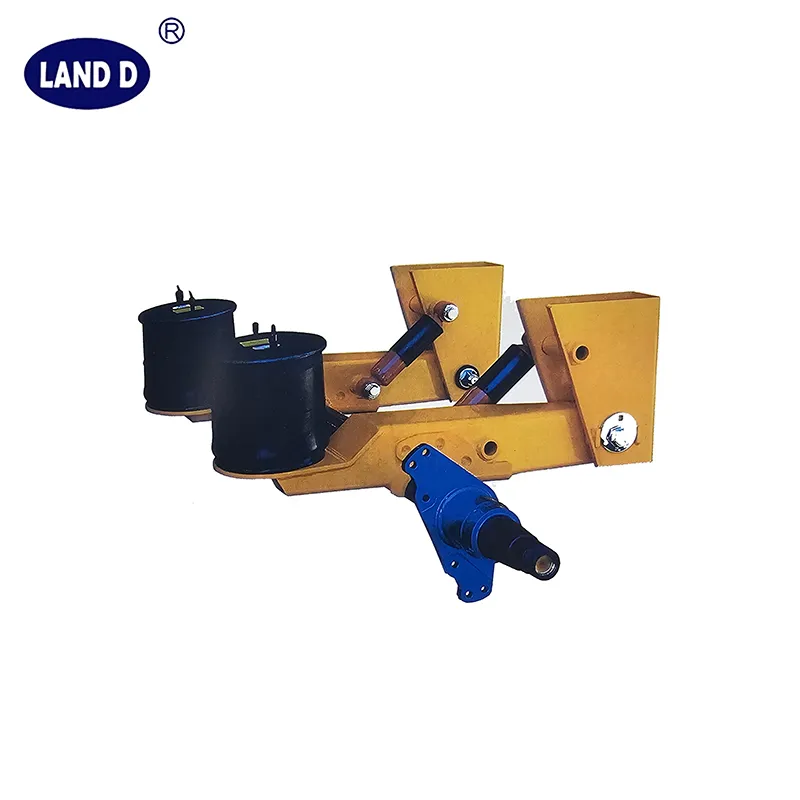
Understanding the intricate technical details of our Air Suspension Series is crucial for B2B decision-makers and engineers. Our systems are engineered for precise control over dynamic forces, offering superior damping, load distribution, and height adjustment capabilities. Key components include air springs, shock absorbers, control valves, and an electronic control unit (ECU) for real-time adjustments.
Key Structural Elements and Terminology:
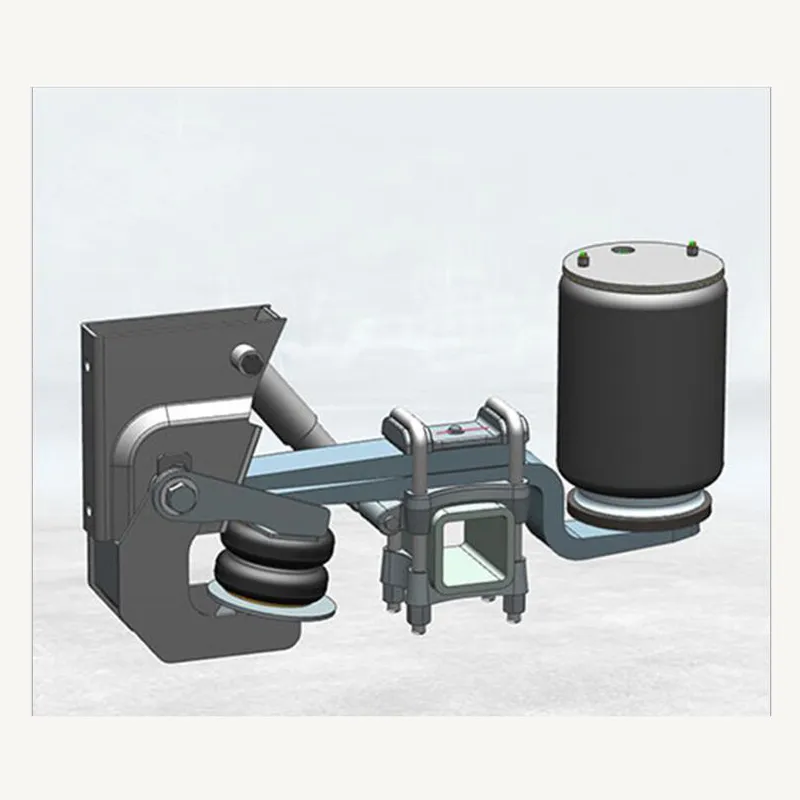
- Air Spring Bellows: The core component, typically made from reinforced rubber and fabric, designed to encapsulate pressurized air. Its effective area dictates the load capacity and spring rate.
- Piston/Bumper: Provides structural integrity and acts as a mechanical stop to prevent over-compression. The piston’s geometry influences the progressive spring rate.
- Ride Height Sensor: Electro-mechanical devices (e.g., ultrasonic, optical, or linkage-based potentiometers) that continuously monitor the vehicle's or machinery's height, feeding data to the ECU.
- Air Reservoir: Stores compressed air, ensuring rapid height adjustments and responsiveness. Its volume affects the system's ability to handle sudden load changes.
- Control Valves (Solenoid Valves): Electrically actuated valves that regulate the airflow into and out of the air springs, controlled by the ECU. Proportional valves offer finer control.
- Compressor/Dryer Unit: Generates compressed air and removes moisture to prevent system degradation and freezing.
- Damping Coefficient: A measure of how quickly the suspension dissipates energy from oscillations. Our adaptive damping systems dynamically adjust this coefficient based on road conditions and load.
- Frequency Response: The range of vibration frequencies the system can effectively isolate or absorb. Optimized for low-frequency, high-amplitude vibrations common in heavy transport.
Product Specification Table: Air Suspension Series (Standard Model)
| Parameter | Specification | Unit |
|---|---|---|
| Load Capacity (per axle) | 10,000 - 25,000 | kg |
| Operating Pressure Range | 5 - 12 | Bar |
| Height Adjustment Range | ± 100 | mm |
| Operating Temperature | -40 to +80 | °C |
| Vibration Isolation Efficiency | > 95% (at optimal frequency) | % |
| Control System | ECU-based, Proportional Valve | - |
| Materials | High-strength steel, Reinforced EPDM/NR rubber | - |
| Certifications | ISO 9001:2015, CE | - |
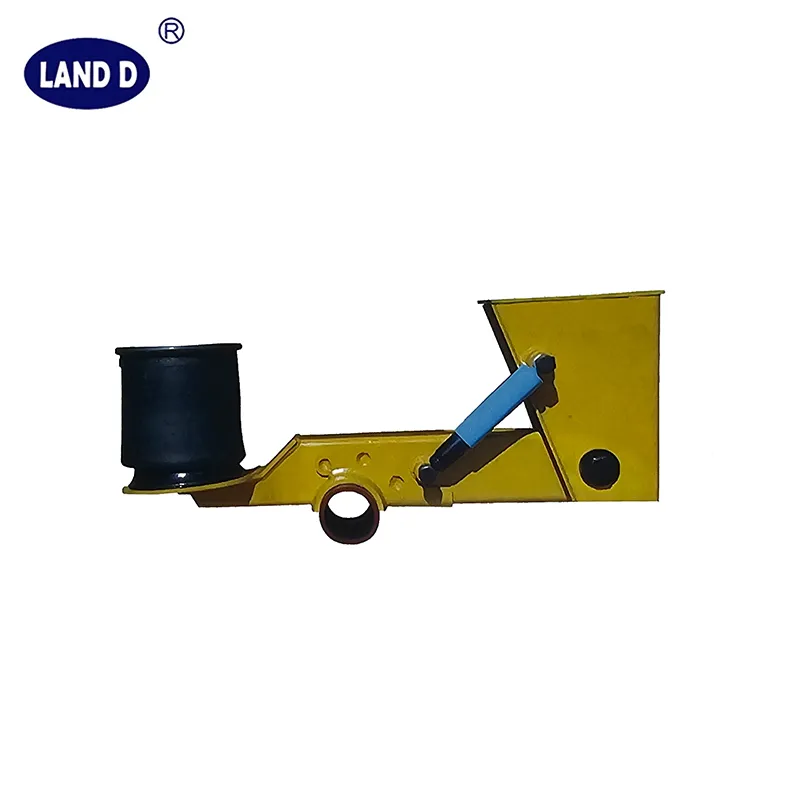
Our systems are designed to meet or exceed international standards like ISO 2631 (Human Exposure to Whole-Body Vibration) and various ANSI standards for industrial machinery. This commitment to engineering excellence ensures that our Air Suspension Series delivers reliable, high-performance solutions for the most demanding applications.
Application Scenarios and Technical Advantages
The versatility of the Air Suspension Series allows for its deployment across a multitude of critical industrial and commercial applications, where precise control over vehicle dynamics and cargo protection is paramount. Our systems deliver significant technical advantages that translate directly into operational benefits.
Typical Application Scenarios:
- Heavy-Duty Transportation: Commercial trucks, trailers, buses, and RVs benefit from improved ride comfort, reduced cargo damage, and enhanced tire life. The ability to maintain constant ride height irrespective of load improves vehicle stability and fuel efficiency.
- Industrial Machinery Isolation: Used in sensitive manufacturing equipment, precision tools, and testing platforms to isolate them from ambient vibrations, ensuring accuracy and prolonging machine life. Examples include CNC machines, optical benches, and semi-conductor manufacturing equipment.
- Specialized Vehicles: Fire trucks, ambulances, mobile command centers, and military vehicles require robust and adaptable suspension for varying terrains and rapid deployment. Air suspension provides crucial stability and leveling.
- Agricultural Equipment: Tractors and harvesting machinery operating on uneven terrain benefit from active leveling and vibration damping, improving operator comfort and reducing stress on mechanical components.
- Logistics & Cargo Handling: Ensures safe transport of fragile or high-value goods by minimizing shock and vibration, crucial for electronics, medical supplies, and hazardous materials.
Technical Advantages:
- Superior Vibration Isolation: Air springs naturally have a lower natural frequency than steel springs, providing significantly better isolation from road inputs or machine vibrations. This protects both cargo and human operators.
- Dynamic Load Leveling: The system automatically adjusts air pressure to maintain a consistent ride height, regardless of payload variations. This preserves optimal suspension geometry, tire contact, and headlight aim, enhancing safety and performance.
- Adjustable Ride Height: Operators can manually or automatically adjust the vehicle or machinery height, facilitating loading/unloading, navigating varied terrain, or optimizing for specific operational clearances.
- Reduced Wear and Tear: By mitigating shock loads, air suspension systems reduce stress on vehicle chassis, drivetrain components, and tires, leading to extended service intervals and lower maintenance costs.
- Enhanced Comfort and Safety: For vehicle applications, the smooth ride significantly reduces driver fatigue, improving attentiveness and safety. For industrial platforms, reduced vibration protects sensitive equipment.
- Corrosion Resistance & Durability: Our components are engineered with advanced materials and coatings, specifically designed to withstand harsh operating environments, including exposure to chemicals, moisture, and extreme temperatures, delivering consistent performance and longer operational life.
Customer feedback consistently highlights the tangible benefits. For instance, a major logistics client reported a 25% reduction in cargo damage claims and a 15% increase in tire lifespan after implementing our air suspension systems across their heavy-duty fleet. This demonstrates the profound impact of our technology on both operational efficiency and cost savings.
Vendor Comparison and Competitive Advantages
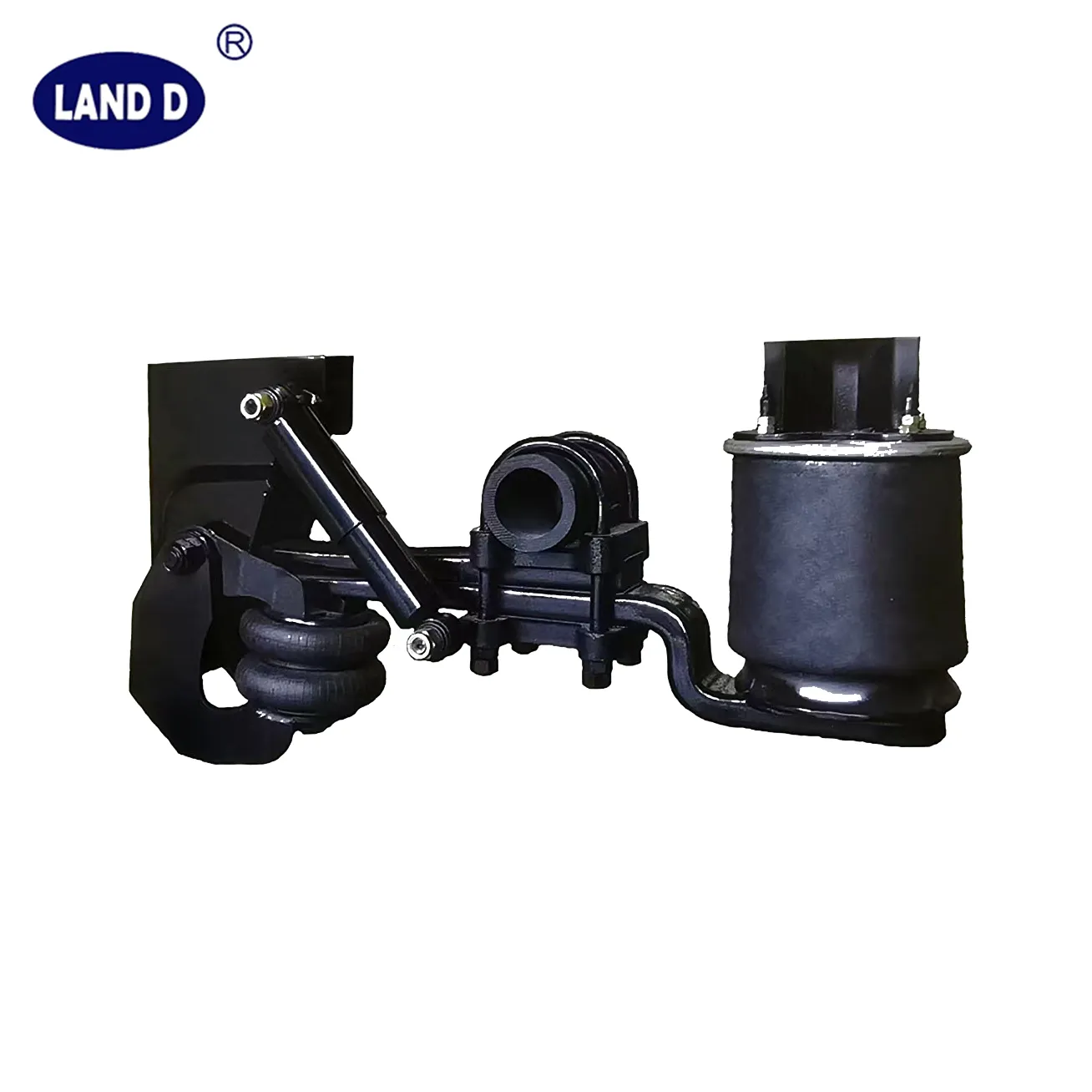
In a competitive landscape, differentiating the Air Suspension Series requires a clear understanding of its distinct advantages over other market offerings. While many manufacturers provide suspension solutions, our commitment to advanced engineering, material science, and comprehensive support sets us apart.
Key Differentiators:
- Adaptive Control Systems: Our integrated ECUs utilize proprietary algorithms for real-time adjustments, offering superior responsiveness and predictive control compared to competitors relying on simpler, reactive systems. This allows for dynamic adaptation to changing road conditions and load distribution.
- Material Longevity: We utilize specific blends of reinforced elastomers and high-grade alloys that demonstrate 20-30% longer fatigue life and enhanced resistance to environmental degradation (UV, ozone, chemical exposure) compared to standard industry materials.
- Modular Design Philosophy: Our Air Suspension Series is designed with a modular approach, simplifying installation, maintenance, and future upgrades. This reduces overall lifecycle costs and increases operational flexibility for our clients.
- Global Certifications and Compliance: Beyond standard ISO certifications, our products meet specific regional and industry compliance requirements (e.g., European CE, North American FMVSS, specific heavy vehicle standards), ensuring seamless integration into global supply chains.
- Comprehensive Engineering Support: From initial consultation and custom design to post-implementation optimization, our dedicated engineering teams provide unparalleled support, a crucial factor often overlooked by competitors.
Product Comparison: Our Air Suspension vs. Traditional Mechanical Suspension
| Feature/Parameter | Our Air Suspension Series | Traditional Leaf/Coil Spring |
|---|---|---|
| Vibration Isolation | Excellent (Low natural frequency, dynamic damping) | Moderate (Higher natural frequency, static damping) |
| Load Leveling | Automatic and continuous, maintains constant ride height | None, sags with increased load |
| Ride Height Adjustment | Dynamic and programmable (e.g., loading/unloading mode) | Fixed, difficult to adjust |
| Cargo Protection | High (Minimizes shock and impact) | Moderate to Low (More prone to shock transfer) |
| Component Lifespan | Extended due to reduced stress (e.g., tires, chassis) | Standard, higher wear rate on associated parts |
| Driver/Operator Comfort | Significantly enhanced, reduced fatigue | Basic, higher exposure to vibrations |
Our long-standing partnerships with leading OEMs and industrial clients, coupled with over two decades of experience in the field, underscore our authoritative position. We are committed to not just selling a product but providing a complete, optimized suspension solution that delivers measurable value and competitive advantage to our B2B partners.
Customized Solutions and Application Case Studies
Recognizing that no two industrial applications are identical, we specialize in providing tailored Air Suspension Series solutions. Our engineering team works closely with clients to develop bespoke systems that precisely meet unique operational requirements, load characteristics, and environmental challenges. This collaborative approach ensures optimal performance and maximum ROI.
Our Customization Capabilities Include:
- Specific Load Ranges: Designing air springs and control logic for atypical load capacities, from ultra-light sensitive instruments to heavy-haul equipment exceeding standard limits.
- Environmental Adaptations: Developing components with enhanced resistance to extreme temperatures, corrosive agents, abrasive dust, or maritime conditions.
- Integration with Existing Systems: Ensuring seamless mechanical and electronic integration with client’s existing vehicle chassis, control networks (e.g., CAN bus), and hydraulic/pneumatic systems.
- Specialized Control Features: Implementing custom height profiles, automatic leveling for specific operations, roll stabilization for high center-of-gravity vehicles, or dynamic damping for varying terrain.
- Unique Form Factors: Designing compact or uniquely shaped air suspension components for space-constrained applications without compromising performance.
Application Case Study: High-Precision Semiconductor Transport
Client: A leading global semiconductor manufacturer.
Challenge: Transporting highly sensitive lithography equipment and silicon wafers required vibration isolation beyond industry standards. Traditional suspensions resulted in micro-fractures and yield loss during transit, costing millions annually.
Solution: We developed a specialized Air Suspension Series for their custom transport platforms. This involved:
- Ultra-Low Natural Frequency Air Springs: Engineered bespoke air springs to achieve a natural frequency below 0.5 Hz, significantly reducing transmitted vibrations.
- Active Damping Control: Implemented an advanced active damping system with accelerometers providing real-time feedback to the ECU, dynamically adjusting damping forces to counteract road disturbances.
- Precision Leveling System: Guaranteed pitch and roll stability to within 0.1 degrees during transport, crucial for maintaining equipment calibration.
- Environmentally Controlled Components: Utilized materials resistant to specific cleanroom chemicals and certified for low particle emission.
Results: The client reported a 99.8% reduction in in-transit equipment damage, leading to substantial cost savings and improved manufacturing yield. The new system allowed for faster, safer transportation routes, reducing lead times for critical components. This case study exemplifies our capability to tackle complex engineering challenges with precision and innovation.
Our expertise is validated by numerous industry certifications, including ISO 9001:2015 for quality management and ISO 14001:2015 for environmental management. We have been serving the B2B sector for over 25 years, continuously pushing the boundaries of suspension technology, and are proud to partner with Fortune 500 companies in various sectors.
Trustworthiness: FAQ, Lead Time, Warranty & Support
Building long-term partnerships in the B2B sector hinges on transparency, reliability, and robust support. We are committed to providing complete confidence in our Air Suspension Series and the services that accompany it.
Frequently Asked Questions (FAQ):
Q: What is the expected service life of your Air Suspension Series components?
A: Our air springs are designed for a service life exceeding 5 million cycles, and structural components are engineered for 10+ years under normal operating conditions, ensuring long-term reliability and minimal downtime.
Q: Can your systems be integrated with existing vehicle control units?
A: Yes, our control systems are designed for flexible integration. We offer CAN bus compatibility and provide comprehensive documentation and engineering support to facilitate seamless integration with most OEM ECUs and vehicle architectures.
Q: What maintenance is required for your air suspension systems?
A: Our systems require minimal routine maintenance. This typically includes periodic inspection of air lines and connections, filter replacement in the air dryer unit, and visual checks of air spring bellows for signs of wear. Detailed maintenance schedules are provided with each system.
Lead Time and Fulfillment:
We understand the critical nature of timely delivery in B2B operations. Standard Air Suspension Series components typically have a lead time of 4-6 weeks from order confirmation, subject to current production schedules and order volume. For highly customized solutions, lead times will be confirmed after the detailed engineering design phase, typically ranging from 8-12 weeks. We maintain robust supply chain management to ensure consistent material availability and efficient manufacturing processes.
Warranty Commitments:
All components of our Air Suspension Series are backed by a comprehensive 2-year / 200,000-kilometer (whichever comes first) limited warranty against manufacturing defects and material failures. Extended warranty options are available for specific applications and project requirements. Our warranty ensures peace of mind and reflects our confidence in the quality and durability of our products.
Customer Support:
Our commitment to our clients extends far beyond product delivery. We offer multi-channel customer support:
- Technical Hotline: Dedicated lines for immediate technical assistance and troubleshooting.
- Field Service Engineers: On-site support for complex installations, diagnostics, and system optimization.
- Online Knowledge Base: Access to detailed product manuals, installation guides, troubleshooting tips, and FAQs.
- Training Programs: Comprehensive training for client’s maintenance and operational teams to ensure proficient handling and optimal performance of our systems.
We pride ourselves on responsive and knowledgeable support, ensuring that your operations run smoothly and efficiently with our air suspension solutions.
Conclusion
The Air Suspension Series represents the pinnacle of suspension technology, engineered to meet the rigorous demands of modern industrial and transportation applications. By providing unmatched vibration isolation, dynamic load leveling, and customized adaptability, our solutions deliver tangible benefits in terms of operational efficiency, enhanced safety, reduced maintenance, and superior cargo protection. Our unwavering commitment to manufacturing excellence, adherence to international standards, and comprehensive customer support ensure that partners receive a trusted, high-performance solution that propels their operations forward.
Authoritative References:
- ISO 9001:2015 Quality Management Systems – Requirements. International Organization for Standardization.
- ISO 2631-1:1997 Mechanical vibration and shock – Evaluation of human exposure to whole-body vibration. International Organization for Standardization.
- Federal Motor Vehicle Safety Standard (FMVSS) No. 121: Air brake systems. National Highway Traffic Safety Administration (NHTSA).
- ASTM B117-19 Standard Practice for Operating Salt Spray (Fog) Apparatus. ASTM International.
- SAE J1939 Recommended Practice for a Serial Control and Communications Vehicle Network. SAE International.
-
Vanguard Truck Center Austin Tx — Durable Fifth Wheel Solutions for Industrial Fleets
NewsDec.31,2025
-
Valley Volvo Laredo Tx – A Durable Solution for Industry and Logistics
NewsDec.09,2025
-
Vanguard Isuzu Houston Commercial Vehicles: Reliability and Efficiency for B2B Fleets
NewsDec.09,2025
-
Vanguard Trailers Mississauga - Durable Heavy-Duty Industrial Trailers for Businesses
NewsDec.09,2025
-
Venture Fifth Wheelers: Robust Solutions for Industrial Hauling | Land Fifth Wheel
NewsDec.08,2025
-
Vicar Motors of Orlando: Durable, Efficient Power Solutions for Global Industry
NewsDec.08,2025